Skip to content
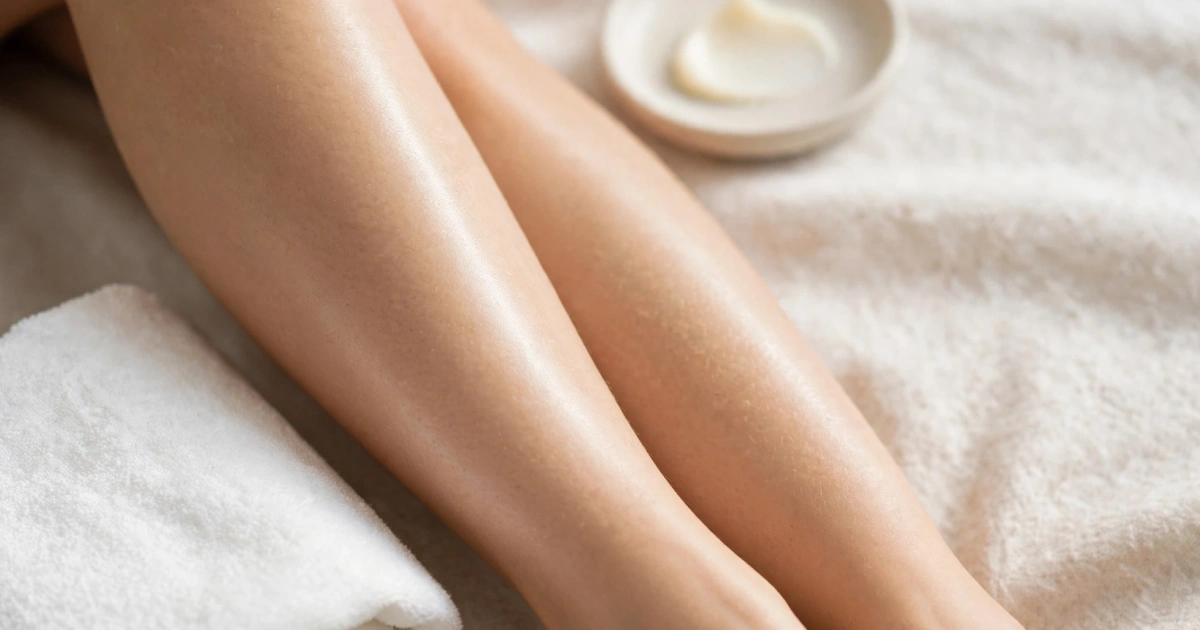
Table of Contents
Smooth, long-lasting results are one of the biggest reasons many people choose hair removal with waxing, but the experience is not always free of minor skin concerns. One of the most common is ingrown hairs after waxing, which can appear as small, irritated bumps a few days after treatment. Understanding why they develop and following proper waxing aftercare can help you enjoy smoother skin while lowering the chances of future irritation.
How long do ingrown hairs usually last?
Most mild ingrown hairs improve within several days to a couple of weeks, depending on the individual and the affected area.
What Are Ingrown Hairs and Why Do They Develop?
Ingrown hair forms when a new strand of hair is unable to grow through the skin’s surface. What makes it unique is that instead of emerging normally, the hair curls back into the skin. In some instances, it remains trapped beneath it.
Such an action can trigger a mild inflammatory response. Ultimately, it may lead to redness, tenderness, itching, or small bumps that sometimes resemble pimples.
Although ingrown hairs can occur after shaving, they may also develop after hair removal with waxing. Waxing removes the hair from the root, so a new hair must grow from the follicle before reaching the surface. If that process is interrupted, the hair may become trapped instead of growing outward.
What Causes Ingrown Hairs After Waxing?
Several factors can contribute to ingrown hairs after a waxing appointment, and they often work together rather than independently.
Dead Skin Can Block Hair Growth
Your skin naturally sheds dead cells every day. When these cells build up around the follicle, they can create a barrier that prevents newly growing hairs from breaking through the surface.
Naturally Curly or Coarse Hair
Patients with coarse or curly hair could experience ingrown hairs more frequently. The reason for this is that the new hair naturally bends as it grows. However, instead of extending outward, it may curve back toward the skin and become trapped.
Hair Breakage During Removal
Waxing is designed to remove the hair from the root. However, it is still possible for a hair to break rather than be completely removed. When that shortened hair begins growing again, it may struggle to exit the follicle properly, increasing the likelihood of an ingrown hair.
Friction After Treatment
Freshly waxed skin is temporarily more sensitive. Tight clothing, repetitive rubbing, sweat, and heat can irritate the treated area and place additional pressure on the follicles. This irritation may interfere with normal hair growth during the first few days after waxing.
Where Are Ingrown Hairs Most Common After Waxing?
Ingrown hairs can develop almost anywhere hair is removed, but certain areas are more susceptible because of hair texture, friction, or constant movement.
The bikini area is one of the most common locations due to coarse hair and frequent contact with clothing. Underarms are also prone because the skin experiences continuous movement and moisture throughout the day.
On the legs, dry skin and accumulated dead skin cells can make it more difficult for new hairs to emerge. During facial and body waxing, areas such as the chin or upper lip may also develop ingrown hairs, particularly in people with naturally curly facial hair.
The location alone does not determine whether ingrown hairs will occur. Skin condition, hair type, and aftercare habits all play important roles.
6 Practical Ways to Reduce Ingrown Hairs After Waxing
If you are wondering how to reduce ingrown hairs after waxing, small adjustments to your skincare routine can make a noticeable difference.
1. Gently Exfoliate Between Waxing Appointments
Regular exfoliation helps remove excess dead skin cells that can block hair follicles. Wait until your skin has recovered from your appointment before using a gentle exfoliating product, then continue exfoliating as recommended by your esthetician.
2. Keep Your Skin Moisturized
Healthy, hydrated skin remains softer and more flexible, making it easier for new hairs to grow through the surface. Applying an appropriate moisturizer consistently also supports the skin barrier after waxing.
3. Reduce Friction During the First Day
Choose loose-fitting clothing whenever possible after your appointment. Giving freshly waxed skin time to recover may reduce unnecessary irritation around the follicles.
4. Avoid Picking or Squeezing Bumps
Trying to remove an ingrown hair yourself can irritate the surrounding skin and increase the chance of infection or lingering discoloration. If a bump becomes painful or persists, consult a qualified professional rather than attempting to extract it at home.
5. Stay on a Consistent Waxing Schedule
Scheduling regular waxing appointments helps keep hair growth on a more predictable cycle. Consistent maintenance may also reduce the likelihood of uneven regrowth and hair breakage.
6. Follow Recommended Waxing Aftercare
Proper waxing aftercare supports healthy skin while helping prevent ingrown hairs after waxing. Your esthetician may recommend avoiding excessive heat, swimming, vigorous exercise, or heavily fragranced skincare products for a short period after treatment so the skin has time to recover.
Does Sensitive Skin Increase the Risk?
People with sensitive skin may notice temporary redness or irritation more easily after waxing, but sensitivity alone does not mean ingrown hairs are inevitable. Skin condition, hair texture, and aftercare habits all contribute to the overall outcome.
Choosing waxing for sensitive skin performed by experienced professionals can help minimize unnecessary irritation. An esthetician can evaluate your skin, select suitable products, and provide recommendations that support your comfort before and after treatment.
If you have a history of skin conditions or frequent irritation, discussing those concerns before your appointment allows your provider to tailor the treatment to your needs.
Why Professional Technique Matters
Proper waxing involves more than simply removing unwanted hair. Skin preparation, wax selection, application technique, and removal all influence the final result.
Experienced providers performing professional waxing services understand how different hair textures and skin types respond to treatment. They also evaluate factors such as hair length, treatment area, and skin sensitivity before beginning the service.
In addition to performing the treatment itself, they provide personalized guidance on how to reduce ingrown hairs after waxing and prevent ingrown hairs after waxing through practical aftercare recommendations suited to your skin.
Frequently Asked Questions
Can I exfoliate right after waxing?
It is generally best to wait 24 to 48 hours before gently exfoliating freshly waxed skin.
Does waxing completely prevent ingrown hairs?
No, ingrown hairs can still occur after waxing, although proper technique and aftercare may help reduce the risk.
Can people with sensitive skin still get waxed?
Yes, waxing for sensitive skin can often be performed comfortably when appropriate products and techniques are used.
Waxing for Ingrown Hairs in Midvale, UT, Bountiful, UT, and Layton, UT
If you are looking for Waxing for Ingrown Hairs in Midvale, Bountiful or Layton, UT, Sego Lily Spa offers professional waxing services designed with both comfort and precision in mind.
At Sego Lily Spa, beauty is more than skin deep. The spa provides waxing, lash, and brow tinting services in calm, private treatment rooms where clients can relax throughout their appointment. From body waxing in Bountiful to brow tinting in Midvale or a complete wax and tint service in Layton, experienced estheticians focus on thoughtful care and attention to detail.
For each appointment, our team provides individualized guidance on waxing aftercare to support healthy skin following treatment.
Book your professional waxing appointment today for smoother, healthier-looking skin!