Skip to content
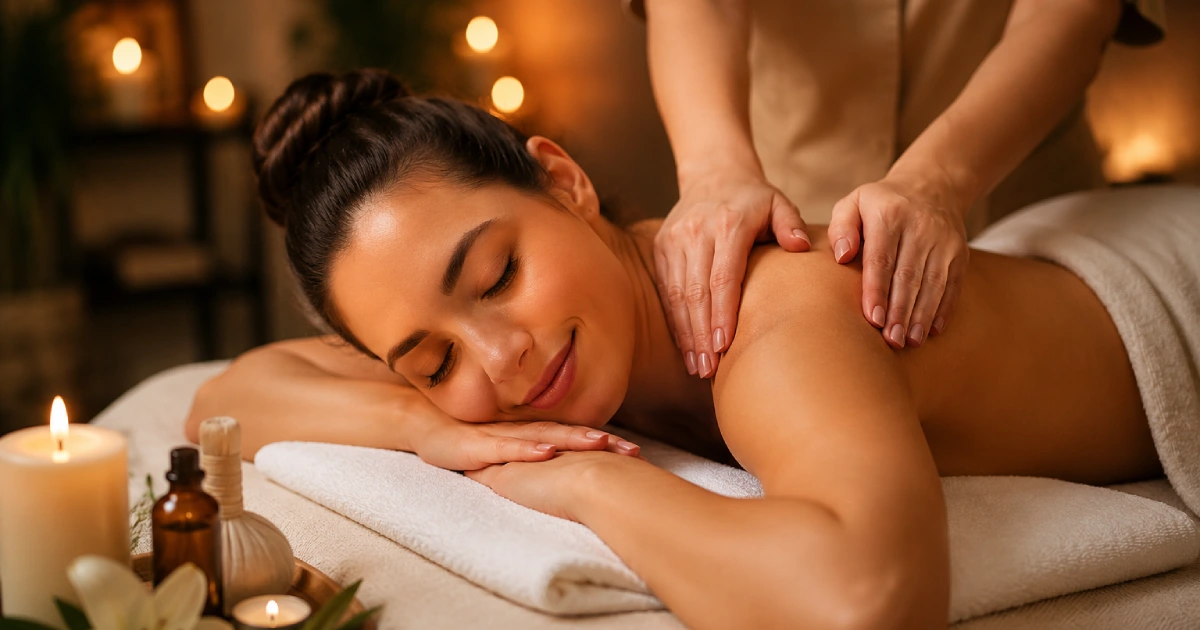
Table of Contents
Did you know that stress often shows up in the body before we fully notice it? Some signs to watch out for could be tight shoulders, shallow breathing, restless sleep, and general fatigue. Each can be an indicator that the body is carrying more than it should. Now at Sego Lily Spa in Midvale, Bountiful and Layton, Utah, regular massage therapy offers a calm, supportive way to release tension, quiet the nervous system, and restore a steadier sense of balance.
Stress Lives in the Body Before We Always Notice It
The mind may move on from a difficult day, but the body often keeps a record. A stressful conversation can tighten the neck. Long hours at a desk can lock the upper back. Emotional pressure can show up in the stomach, jaw, or chest.
This is one reason stress can feel confusing. A person may not feel emotionally overwhelmed, yet still experience headaches, soreness, fatigue, or a sense of heaviness. Massage helps by meeting stress where it often settles first: in the soft tissues. Through thoughtful pressure, slower pacing, and focused touch, the body is encouraged to stop bracing.
What Regular Massage Changes Over Time
One massage session can bring relief, especially after a hard week. Regular care creates a different kind of benefit. It gives the body a familiar place to reset before stress builds into deeper discomfort.
This is why regular massage therapy for stress relief can be helpful for people with ongoing tension, demanding schedules, physically active lifestyles, or long periods of sitting. A consistent rhythm gives the therapist time to understand where the body tends to hold stress and how those patterns change from visit to visit.
The body can also become more responsive. Someone who once waited until pain was distracting may start noticing early signs of tightness. That awareness can support better posture, intentional rest, and healthier daily habits between appointments.
How Massage Helps the Body Let Go
Many people search for how massage helps release stress because they want to understand what is happening beyond the calm setting. Massage works through a combination of physical and nervous system responses.
On a physical level, massage can help soften tight muscles, encourage circulation, and improve comfort in areas that feel stiff or overworked. The therapist may use light, moderate, or deeper pressure depending on the client’s needs and tolerance. This can reduce restriction in common stress areas such as the shoulders, back, neck, hips, scalp, hands, and feet.
On a nervous system level, massage invites the body into a slower state. Breathing often becomes deeper. The mind has fewer demands to process. This slower rhythm matters because stress can keep the body alert even when there is no immediate danger.
Massage Therapy Benefits Without Overstatement
The most meaningful massage therapy benefits are often simple and grounded. Massage may help ease muscle tension, support relaxation, improve body awareness, reduce stress-related discomfort, and encourage better rest.
Eases Muscle Tension
Stress often settles into the neck, shoulders, back, jaw, and hips. Massage can help soften these areas through steady pressure, gentle movement, and focused touch. As tight muscles begin to relax, the body may feel more comfortable and less restricted.
Supports Relaxation
Massage gives the body a quiet place to slow down. The pace of the session, the calming environment, and the therapist’s touch can help reduce the feeling of being constantly alert. This is one reason massage for relaxation can be helpful for people who feel mentally or physically worn down.
Improves Body Awareness
Regular sessions can make it easier to notice where tension builds. A person may begin to recognize when their shoulders are lifting, their jaw is tightening, or their posture is creating strain. That awareness can support better habits between visits.
Encourages Better Rest
When the body feels tense, sleep can be harder to settle into. Massage may help support rest by reducing physical discomfort and encouraging a calmer state. It does not replace healthy sleep habits, but it can be a helpful part of an evening or wellness routine.
Massage for Relaxation Is Still Meaningful Care
There is sometimes a misconception that relaxation is less important than deeper therapeutic work. In reality, massage for relaxation can be restorative, especially for people who spend much of their time overstimulated or on alert.
Gentle to moderate pressure, quiet pacing, warmth, and a calm environment can help the body shift away from tension. This kind of care may be helpful for those who feel mentally tired, emotionally drained, or disconnected from their body.
Therapeutic Massage for Stress and Muscle Tension
For clients who need more focused work, therapeutic massage for stress may include techniques that address specific areas of tightness. This can involve deeper pressure, targeted work on knots, gentle stretching, or attention to muscle groups affected by posture, repetitive movement, or physical strain.
Therapeutic massage is not about pushing the body past its limits. More pressure does not always mean better results. The right approach should feel productive, not punishing.
Creating a Massage Routine That Fits Real Life
A helpful massage routine does not have to be complicated. Some people schedule monthly sessions to maintain balance. Others may come in more often during stressful seasons, training periods, or times when tension is harder to manage.
The right frequency depends on lifestyle, stress level, budget, physical needs, and personal preference. A massage therapist can offer guidance, but the body also gives useful feedback. If tension returns quickly, a closer schedule may help for a period of time. If the body feels steady, maintenance visits may be enough.
Frequently Asked Questions
How often should I get massage therapy for stress relief?
For general stress relief, many people schedule massage therapy every two to four weeks, depending on their tension level, routine, and wellness goals.
Can massage therapy help with stress-related muscle tension?
Yes, massage therapy may help ease stress-related muscle tension by relaxing tight soft tissues and encouraging the body to slow down.
What type of massage is best for relaxation?
A relaxation-focused massage with light to moderate pressure is often best for calming the body and easing everyday stress.
Sego Lily Spa Massage Rituals in Utah
At Sego Lily Spa, massage therapy is approached as more than a scheduled service. It is a restorative experience shaped around healing touch, mindful relaxation, and personalized care. Our team ensures that each session is designed to help ease tension, release stress, and restore a calmer connection between body and mind.
Clients looking for Massage Rituals in Midvale, Bountiful, and Layton, Utah, can choose an experience that fits their needs for the day. Some may want quiet relaxation. Others may need focused attention for tired muscles, stress-related tightness, or areas strained from work, travel, exercise, or daily routines.
For those searching for Massage Rituals in Bountiful, Utah, the focus may be on softening stress and creating space to rest. Clients interested in Massage Rituals in Layton, Utah may be seeking a calm, steady experience that supports relaxation and renewal. Those looking for Advanced Massage Therapy in Utah may benefit from a more personalized session that considers tension patterns, comfort level, and wellness goals. Book your massage therapy session at Sego Lily Spa in Midvale, Layton, or Bountiful today